
Moving a multigenerational family home in Hurstville or Kogarah: planning a move for three generations
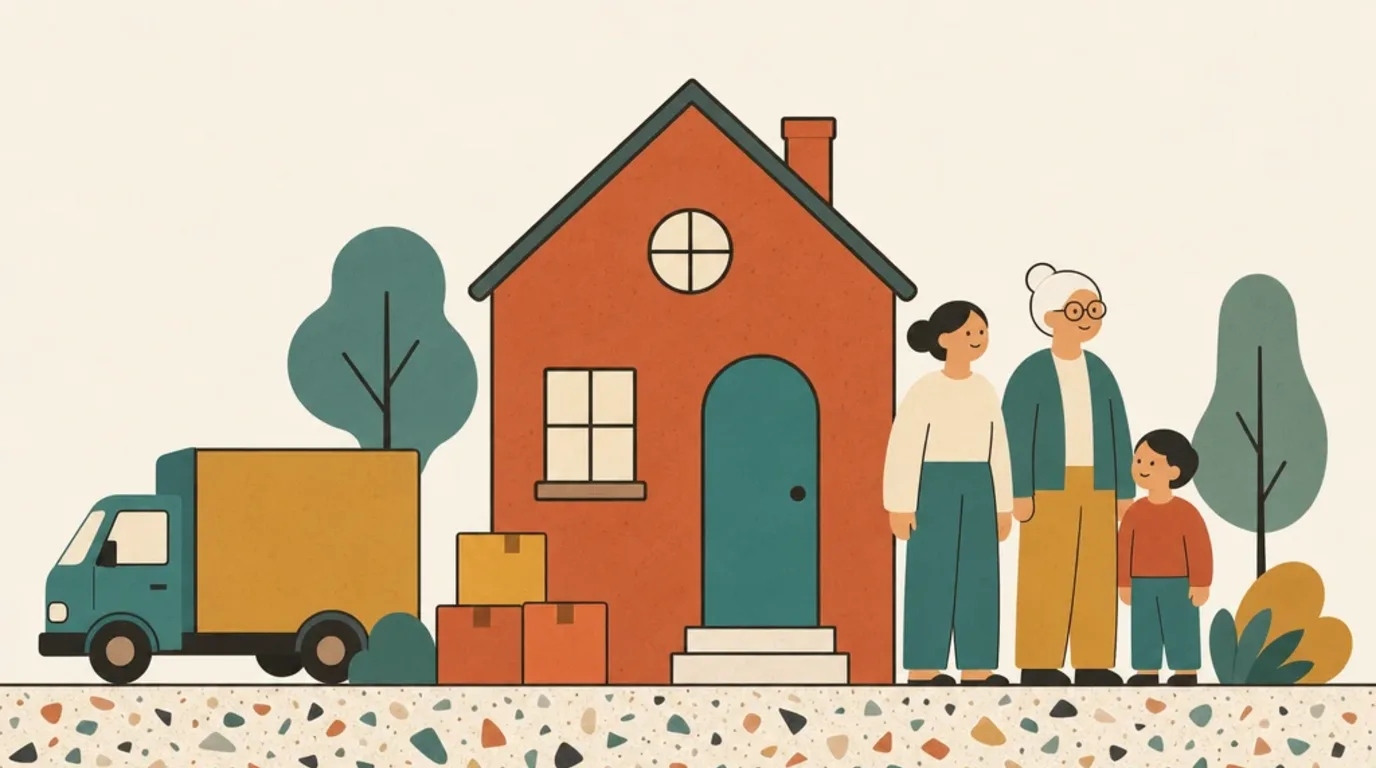
Most moving advice is written for one household: a couple, a small family, a single mover. Around Hurstville and Kogarah, plenty of homes don’t fit that picture. Here, three generations often live under one roof, grandparents and parents and kids in the same house, and that changes a move in ways the standard checklist never mentions.
If that’s your family, this is for you.
Why this is so common in St George
The Georges River area is one of the most culturally diverse parts of Sydney, and several of its largest communities have a long tradition of extended-family living. In the Georges River Council area, more than half of residents, around 53%, speak a language other than English at home, led by Mandarin, Cantonese, Nepali and Greek (profile.id, Georges River language data). In the suburb of Hurstville itself, Chinese was the most common ancestry at about 47% at the 2021 Census, alongside a large and rapidly growing Nepalese community, and around 72% of residents were born overseas (ABS 2021 Census QuickStats, Hurstville).
Nationally, too, the trend is towards more people sharing a home with relatives, not fewer: the ABS projects the share of people living with other relatives to keep rising through to 2046 (ABS Household and Family Projections). So a three-generation move isn’t a rare edge case in this part of Sydney. It’s a regular Saturday.
A three-generation move is a different job
It’s bigger, and it’s gentler. Three things set it apart.
More people, more belongings. A household of six or seven has packed far more than a couple has, and it’s spread across more rooms, often a larger home or one that’s been added to over the years. The truck and the crew need to be sized to the whole household, or the day runs long.
Someone whose day needs to stay calm. There’s frequently an elderly parent or grandparent in the move, sometimes with limited mobility, sometimes just understandably unsettled by the upheaval. Their day matters more than the furniture’s.
Things that can’t be replaced. Extended-family homes tend to hold the treasured pieces, an ancestral shrine or altar, religious items, heirloom ceramics, photographs, decorative pieces carried from another country. These deserve careful packing, not a quick blanket and a hope.
Plan around those three and the move goes well. Ignore them and a big day gets stressful fast.
Plan around the most vulnerable person first
The single best habit for a multigenerational move is to plan the day around the person who’ll find it hardest, usually the eldest.
- Set up one quiet room first. Before the bulk of the load comes in, get a grandparent’s room sorted at the new home, their bed, a comfortable chair, the kettle, so there’s a settled place to sit rather than standing among boxes for hours.
- Keep a daily-essentials bag with the family. Medications, glasses, hearing aids, chargers, a change of clothes and a few familiar things travel in a clearly marked bag that stays with the family, never on the truck.
- Keep walkways clear and don’t rush. A calm, unhurried pace and clear paths matter more here than on any other job. We work to it.
Pack the precious things deliberately
Tell your removalist which items are precious before move day, not as the truck is loading. That lets the packing and the loading order be planned around them:
- Ancestral and religious items (an altar, a shrine, framed scrolls or photographs) are wrapped and boxed with proper padding, and kept together so they’re easy to find and set up first at the other end.
- Fragile heirlooms, ceramics, glassware and artwork get the right cartons rather than being squeezed in with the kitchen.
- Anything the family would rather carry themselves is kept separate and clearly labelled, no questions asked.
If you’d like, we can pack the fragile and the meaningful things and leave the everyday boxes to you, or pack the whole house. Our packing and unpacking crew brings the cartons and padding that keep delicate pieces intact.
Match the home and the access at both ends
A big extended-family household in St George might be moving from a roomy Penshurst or Mortdale house, or from a larger Hurstville or Kogarah apartment, and the access shapes the plan. A house move is about the driveway, the stairs and the side path; a unit move is about the booked lift and the loading dock. (We dig into that difference in our two-moves guide.) The point for a multigenerational household is simply that there’s more to carry, so getting the truck size, the crew and the timing right at both ends is what keeps the day from dragging into the evening.
Tell us who and what is moving
The most useful thing you can do is tell us the whole picture: how many people, the size of the home, whether there’s an elderly relative whose day we should plan around, and which items are precious. With that, we size the crew and the truck, plan the calm first room and the careful packing, and give you a clear indicative quote up front.
Ready to plan it properly? Get a no-obligation quote and tell us about your household, and we’ll plan the move around the people in it.
Common questions
What makes a multigenerational family move different from a normal move?
Three things. There are more people and more belongings, so the truck and crew need to be sized to the whole household, not one couple. There is usually an elderly parent or grandparent whose day should stay calm and unhurried, often with mobility needs. And there are frequently treasured items, including heirlooms, religious or ancestral pieces and fragile decorative things, that need careful, well-padded packing rather than a quick wrap.
Are there really that many extended-family households in the Hurstville and Kogarah area?
The area is one of Sydney's most culturally diverse, and several of its larger communities traditionally live in extended-family households. In the Georges River Council area around half of residents speak a language other than English at home, led by Mandarin, Cantonese, Nepali and Greek, and in the suburb of Hurstville itself Chinese was the most common ancestry at about 47% in the 2021 Census, with a large and fast-growing Nepalese community. Nationally the share of people living with other relatives is projected to keep rising. Sources: ABS 2021 Census, Hurstville and ABS Household and Family Projections.
How do you handle elderly relatives or grandparents on move day?
We plan the day around the person, not the boxes. That usually means setting up one quiet, comfortable room first at the new home, ideally with their bed, a chair and the kettle, so there is somewhere settled to sit while the rest comes in. We keep walkways clear of obstacles, never rush, and keep medications, glasses and daily essentials in a clearly marked bag that travels with the family rather than on the truck.
Can you pack ancestral items, religious pieces or fragile heirlooms carefully?
Yes. Artwork, ceramics, an ancestral shrine or altar, decorative pieces and glassware get the right cartons and padding so they arrive intact, and we are happy to keep items a family wants to handle themselves separate and clearly labelled. Tell us which pieces are precious before move day and we plan the packing and the loading order around them.
Do your rates change for a bigger family move?
The crew-size rates are the same regardless of who is in the household. A larger home with more people simply tends to need a bigger crew or a second truck and more hours, which is what moves the total. We give a clear indicative quote up front once we know the size of the home and the access at both ends.
Planning a move?
Get a free, no-obligation quote and we'll plan the access at both ends with you.
Get a quote